The 2026 ‘Missed-Call-to-Booked’ Protocol: Why Simple Text-Backs Are Failing and How AI Agents Are Winning
Stop losing leads to voicemail. Discover why static text-backs are failing and how AI agents are booking appointments in real-time to maximize your revenue.

The 2026 Reality: Why 60% of your missed calls are already booking with competitors
In 2026, the speed of commerce has accelerated beyond the capacity of human receptionists. When a potential client calls your business and hears a ringing tone followed by a voicemail prompt, they don't wait for a callback. They hang up, open their browser, and call the next business on the list. Research indicates that nearly 60% of missed calls result in the lead immediately contacting a competitor. Every missed call is a lead you have already paid to acquire—through SEO, ads, or referrals—that is effectively being handed to your competition due to a lack of instant engagement.
The 'Text-Back' Trap: Why static SMS templates are no longer enough
For years, the standard solution for missed-call text-back for businesses was a simple, static SMS: "Sorry we missed you, we'll call you back soon!" While better than silence, this approach is failing in 2026. Modern consumers are conditioned to expect instant gratification. A static text is a dead end; it doesn't answer questions, it doesn't provide pricing, and it certainly doesn't book appointments. It is a "wait-and-see" strategy in an "act-now" economy. If your automation doesn't move the conversation forward, you are simply delaying the inevitable loss of that lead.
From Passive SMS to Active AI: How conversational agents turn missed calls into booked appointments
The shift from passive SMS to active, conversational AI for small business is the most significant upgrade in lead management this year. Unlike a static template, an AI agent acts as a digital concierge. When a call is missed, the AI immediately initiates a text conversation that feels human, helpful, and proactive. It can answer FAQs, check your calendar, and secure a booking in real-time. With Lyca Sells, this process is seamless; the AI understands the context of the inquiry and guides the lead toward a conversion without requiring a human to intervene until the appointment is already on the books.
The 60-Second Conversion Window: Why speed-to-lead is the ultimate competitive advantage
The "60-second window" is the gold standard for speed-to-lead strategy. Data consistently shows that responding to a lead within one minute increases conversion rates by orders of magnitude compared to waiting even 30 minutes. By the time your staff finishes their current task and checks their voicemail, the lead has already moved on. Automated AI recovery ensures that your response time is measured in seconds, not hours, keeping the lead engaged while their intent is at its peak.
Industry-Specific Playbooks: How Med Spas, Home Services, and Agencies are using AI to recover lost revenue
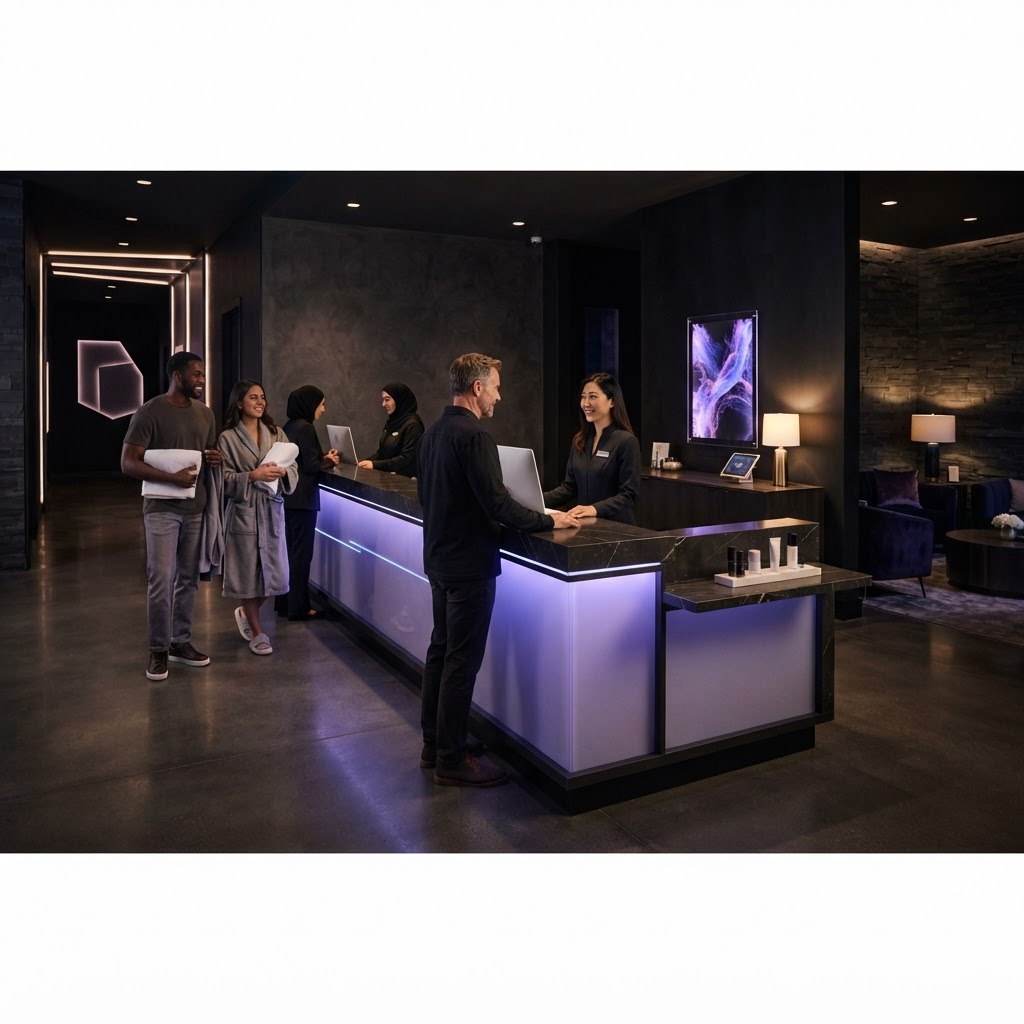
- Med Spas: AI agents handle complex intake questions, explain treatment options, and book consultations, ensuring high-ticket services aren't lost to a busy front desk.
- Home Services: When a homeowner has a plumbing emergency, they don't leave voicemails. AI agents provide instant quotes and schedule dispatch, capturing the job before the next contractor answers.
- Agencies: By qualifying leads via text, agencies ensure that only high-intent prospects reach their calendar, saving hours of wasted discovery calls.
The ROI of AI-Driven Recovery: Calculating the cost of silence vs. the cost of automation
Consider the math: If you miss 20 calls a week and your average customer value is $500, you are potentially losing $10,000 in revenue every single week. Even if an AI agent only recovers 30% of those calls, the ROI is immediate. The cost of silence is the total loss of the lead; the cost of automation is a fraction of a single recovered sale. AI missed call recovery isn't an expense—it is a revenue-generating asset.
Implementation Guide: How to deploy a conversational AI agent that integrates with your existing CRM
Deploying an AI agent is simpler than most business owners realize. The process involves three core steps: 1. Connecting your business phone number to an AI-enabled platform like Lyca Sells. 2. Defining your "knowledge base" (FAQs, pricing, and booking links). 3. Setting up the CRM trigger that logs the conversation history. Once live, the system works in the background, ensuring every interaction is tracked and every lead is nurtured.
Avoiding the 'Bot' Feel: Best practices for maintaining a human-like brand voice
The key to successful automated lead conversion 2026 is authenticity. Your AI should be trained to use your brand's specific tone—whether that is professional, casual, or empathetic. Avoid overly robotic phrasing. Use natural language, emojis where appropriate, and ensure the AI knows when to "hand off" the conversation to a human if the lead asks for a specific person or a complex issue arises.
Compliance and Deliverability: Navigating 10DLC and carrier requirements in 2026
As SMS marketing evolves, compliance is non-negotiable. In 2026, 10DLC (10-Digit Long Code) registration is mandatory for business messaging. Ensure your provider handles carrier registration and opt-out management automatically. This protects your deliverability and ensures your messages actually reach your customers' phones without being flagged as spam.
Conclusion: Future-proofing your lead intake
The era of the "missed call" is over. By leveraging conversational AI, you can transform your lead intake from a leaky bucket into a high-performance conversion machine. Don't let your competitors win simply because they answered the phone first. Ready to see how much revenue you're leaving on the table? Take our 60-second quiz to find out if your business is ready for AI-driven growth.
Ready to stop leaking leads?
Lyca answers every web chat, DM, and missed call in under 60 seconds — for $97/mo.
Hire Lyca Today