The 2026 ‘Conversational SMS’ Protocol: How to Move Beyond Broadcast Blasts to Real-Time Lead Conversion
Stop sending SMS blasts that get ignored. Learn how conversational SMS automation for small business can boost your lead conversion rates in 2026.

The Death of the SMS Blast: Why 2026 Consumers Ignore Generic Promotional Texts
The era of the "SMS blast" is officially over. For years, businesses treated text messaging like a digital megaphone, firing off generic promotional codes and "buy now" links to thousands of contacts simultaneously. In 2026, this strategy is not just ineffective—it is a brand liability. Modern consumers are hyper-aware of spam, and their tolerance for one-way, impersonal communication has hit an all-time low. When a customer receives a broadcast message that feels like a cold, robotic intrusion, they don't just ignore it; they unsubscribe or block the sender entirely.
The shift toward conversational SMS automation for small business is no longer a luxury; it is a survival mechanism. Today’s buyers expect a two-way dialogue. They want to ask questions, receive personalized recommendations, and feel heard—all within the same text thread they use to talk to their friends and family. If your business is still relying on static, one-way blasts, you are effectively leaving money on the table while your competitors build genuine, high-intent relationships through real-time interaction.
The 60-Second Rule: Why Response Velocity is the New Currency of Lead Conversion
In the fast-paced digital landscape of 2026, speed-to-lead is the single strongest predictor of conversion success. Data consistently shows that leads are up to 100x more likely to qualify if contacted within five minutes compared to thirty minutes. However, the bar has been raised even higher: responding within 60 seconds is the new gold standard for capturing peak intent.
When a potential client fills out a form on your website or sends an inquiry via social media, they are in a state of high engagement. If you wait hours—or even minutes—to respond, that window of opportunity slams shut. Conversational AI for lead generation solves this by ensuring that every inquiry is met with an immediate, relevant, and human-like response, regardless of the time of day or your team's current workload.
What is Conversational SMS Automation? (And How It Differs from Traditional Auto-Responders)
Traditional auto-responders are rigid, "if-this-then-that" scripts that often frustrate users with dead-end loops. In contrast, conversational SMS automation leverages advanced AI to understand context, intent, and nuance. It doesn't just send a pre-written reply; it engages in a fluid, back-and-forth exchange.
Unlike legacy systems, modern conversational AI can handle complex inquiries, qualify leads based on their specific needs, and even manage appointment scheduling without human intervention. Platforms like Lyca Sells empower businesses to bridge this gap, turning every inbound text into a meaningful conversation that moves the prospect closer to a sale.
The Anatomy of a High-Converting Text-Back Sequence
A successful conversational workflow is built on three pillars: immediate acknowledgment, value-driven qualification, and a clear call to action. Here is how a high-converting sequence looks in practice:
- The Instant Hook: Acknowledge the inquiry immediately. "Hi [Name], thanks for reaching out to [Business Name]! I saw you were interested in our [Service]. Are you looking for a consultation this week?"
- The Qualification Loop: Ask one or two targeted questions to determine the lead's readiness.
- The Value Add: Provide a helpful resource, such as a link to a pricing guide or a booking calendar, based on their specific interest.
- The Human Handoff: If the AI detects a complex issue or a high-intent buying signal, it seamlessly alerts a human team member to step in.
How AI Agents Handle Complex Inquiries Without Human Intervention
Modern AI agents are trained on your business data, allowing them to answer specific questions about your services, pricing, and availability. By utilizing natural language processing (NLP), these agents can parse intent even when a customer uses slang, typos, or unconventional phrasing. They don't just follow a script; they understand the context of the conversation, allowing them to provide accurate, helpful information that builds trust and authority.
Industry Use Cases: From Med Spas to Real Estate and HVAC
Conversational SMS automation is transforming how service-based businesses operate:
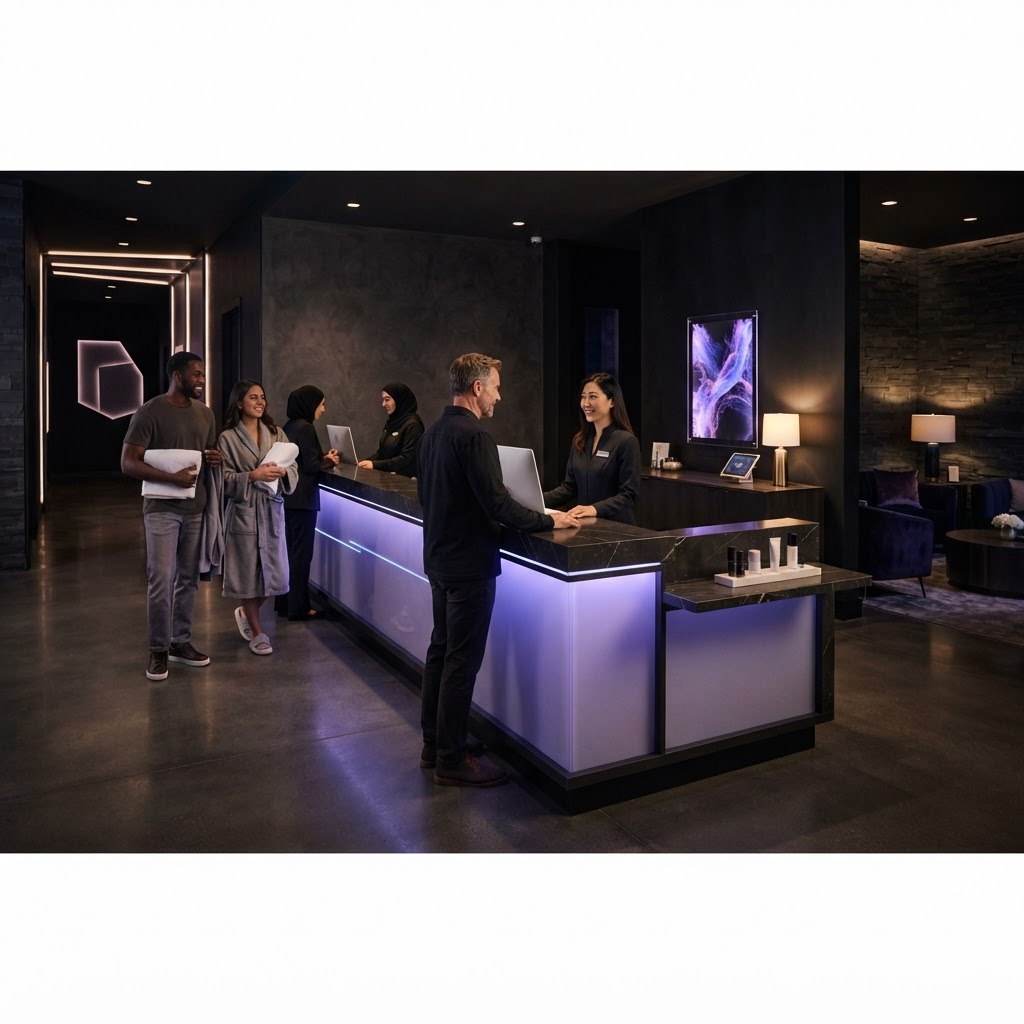
- Med Spas: Automate appointment reminders and answer common questions about treatments, reducing no-shows and increasing booking volume.
- Real Estate: Instantly qualify leads from property portals and schedule viewings before the lead loses interest.
- HVAC & Home Services: Provide instant quotes or emergency dispatch information, ensuring you are the first to respond when a homeowner has a crisis.
Measuring Success: Key Metrics for Your 2026 SMS Strategy
To optimize your strategy, you must track more than just open rates. Focus on these critical KPIs:
- Response Velocity: The average time between an inbound lead and the first AI response.
- Conversation Completion Rate: The percentage of leads who engage in a multi-turn conversation.
- Appointment Conversion Rate: How many text conversations successfully result in a booked meeting or sale.
- Opt-out Rate: A key indicator of whether your messaging remains helpful and relevant.
Common Pitfalls: Avoiding Spam Filters and Maintaining Brand Voice
While automation is powerful, it must be used responsibly. Avoid "spammy" language, excessive use of emojis, or sending messages at inappropriate hours. Always ensure your AI is configured to reflect your brand's unique voice—whether that is professional and clinical or casual and friendly. Lyca Sells provides the tools to customize these interactions, ensuring your automated follow-ups feel like a natural extension of your team.
How to Implement Your First Conversational SMS Workflow in Under an Hour
You don't need a team of developers to get started. Implementing a conversational workflow is a straightforward process:
- Define Your Trigger: Identify where your leads are coming from (e.g., Facebook ads, website forms, or missed calls).
- Map the Conversation: Outline the 3-4 most common questions your prospects ask.
- Configure the AI: Input your business FAQs into your platform.
- Test and Launch: Run a few test conversations to ensure the tone and logic align with your brand.
The transition to conversational SMS is the most significant upgrade you can make to your sales process this year. By moving away from broadcast blasts and embracing real-time, AI-driven dialogue, you position your business to capture more leads, close more deals, and build lasting customer loyalty.
Ready to stop losing leads to slow response times? Take our 60-second quiz to see how conversational automation can transform your business growth.
Ready to stop leaking leads?
Lyca answers every web chat, DM, and missed call in under 60 seconds — for $97/mo.
Hire Lyca Today